
Catalytic Chemistry
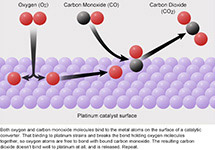
Catalysis is an acceleration or retardation of the rate of a chemical reaction, brought about by the addition of a substance (the catalyst ) to the reaction medium. Most chemical reactions in industry and biology are catalytic and play a role at some stage of the processing of about 80% of the goods manufactured in the, yet catalysis is a neglected subject in chemical education. Only very small amount of catalyst is needed to generate copious amounts of product. This is desirable, as many catalysts that are used industrially are very expensive. By choosing the appropriate catalyst, a particular reaction can be made to occur to the extent of practically excluding another. Many important applications of catalysis are based on selectivity of this kind. a catalyst does not affect the position of equilibrium of a chemical reaction; it affects only the rate at which equilibrium is attained.
- Auto Catalysts
- Enzymes and Biocatalysts
- Tandem Catalysts
Related Conference of Catalytic Chemistry
13th International Conference and Exhibition on Chromatography and Analytical Techniques
6th International Conference on Petrochemistry and Natural Gas
4thInternational Conference on Drug Discovery and Development
26th International Conference on Medicinal Chemistry, Drug Discovery & Drug Delivery
Catalytic Chemistry Conference Speakers
Recommended Sessions
- Analytical Chemistry
- Biopolymers
- Catalytic Chemistry
- Chemical Plants Development
- Chemistry of Transition Elements
- Desalination
- Electrochemistry
- Food, Beverage & Tobacco
- Geochemistry
- Geosciences
- Green Water Treatment
- Hazardous Waste Management
- Industrial Chemistry
- Industrial Photo Chemistry
- Industrial Water Supply
- Infection Risks Due to Contaminated Water
- Material Science & Chemical Metallurgy
- Medicinal Chemistry
- Organic Acids, Amines, Esters and Phenols
- Organic Chemistry
- Paper, Pulp & Fibre
- Petro-Chemistry
- Pharmaceutical Chemistry
- Pharmaceuticals & Nutraceuticals
- Plasma Chemistry
- Pyrolysis
- Raw Water / Potable Water Preparation
- Removal of Pollutants from Water Using Different Types of Nanomaterials
- Ultrapure Water Production
- Waste Water Treatment
Related Journals
Are you interested in
- 3D Printing and Additive Manufacturing with Polymers - Polymerchemistry-2027 (France)
- About Analytical Chemistry and Instrumentation - Chemistry Meeting-2027 (France)
- Advanced Polymer Interfaces and Surface Engineering - Polymerchemistry-2027 (France)
- Advanced Polymer Molecular Design & Architecture - Polymerchemistry-2027 (France)
- Advancements in Analytical Techniques - Analytical Techniques 2026 (France)
- Advancements in Mass Spectrometry - Analytical Techniques 2026 (France)
- Advances in Chromatography Instrumentations - Chromatography Techniques-2027 (France)
- Advances in Separation Techniques - Analytical Techniques 2026 (France)
- Agricultural Chemistry and Soil–Plant Interactions - Environmental Chemistry-2026 (France)
- AI-Driven Polymer Discovery and Molecular Engineering - Polymerchemistry-2027 (France)
- Air Quality and Indoor Environmental Chemistry - Environmental Chemistry-2026 (France)
- Analytical & Bio-analytical Applications of Chromatography - Chromatography Techniques-2027 (France)
- Analytical Challenges in Personalized Medicine - Analytical Techniques 2026 (France)
- Analytical Chemistry and Methodology - Analytical Techniques 2026 (France)
- Analytical Chemistry in the Energy Sector - Analytical Techniques 2026 (France)
- Applications of mass spectrometry - Analytical Techniques 2026 (France)
- Aquatic and Marine Chemistry - Environmental Chemistry-2026 (France)
- Atmospheric Composition and Chemistry - Environmental Chemistry-2026 (France)
- Automation in Analytical Labs - Chromatography 2026 (France)
- Bio-Based Hydrogels & Soft Biomaterials - biopolymerscongress-2026 (France)
- Bio-Based Polymers and Circular Material Innovation - Polymerchemistry-2027 (France)
- Bioanalytical Chromatography - Chromatography 2026 (France)
- Bioanalytical Methodology - Analytical Techniques 2026 (France)
- Biochemical Applications of Chromatography - Chromatography Techniques-2027 (France)
- Biochemistry - Analytical Techniques 2026 (France)
- Biochemistry and Chemical Biology - Chemistry Meeting-2027 (France)
- Biodegradable Polymer Platforms for Healthcare Applications - Polymerchemistry-2027 (France)
- Biodegradable Polymers for Medical Devices - biopolymerscongress-2026 (France)
- Biogeochemical Cycles - Environmental Chemistry-2026 (France)
- Biomaterials for Neural Repair & Interfaces - biopolymerscongress-2026 (France)
- Biomedical Polymers and Advanced Drug Delivery - Polymerchemistry-2027 (France)
- Biopolymer Applications in Wound Care - biopolymerscongress-2026 (France)
- Biopolymer Innovations in 3D/4D Bioprinting - biopolymerscongress-2026 (France)
- Biopolymer Nanofibers & Advanced Scaffolds - biopolymerscongress-2026 (France)
- Biopolymers and Biomaterials - Analytical Techniques 2026 (France)
- Bioremediation and Microbial Chemistry - Environmental Chemistry-2026 (France)
- Capillary Electrophoresis - Chromatography 2026 (France)
- Catalysis and Reaction Engineering - Chemistry Meeting-2027 (France)
- Chemical Biology and Biotechnology - Chemistry Meeting-2027 (France)
- Chemical Education and Research - Chemistry Meeting-2027 (France)
- Chemistry of Microplastics and Polymer Pollution - Environmental Chemistry-2026 (France)
- Chemistry of Renewable Energy and Sustainability - Chemistry Meeting-2027 (France)
- Chip Based Chromatography Separations - Chromatography Techniques-2027 (France)
- Chiral Separation Methods - Chromatography 2026 (France)
- Chromatographic Method Validation - Chromatography 2026 (France)
- Chromatography - Analytical Techniques 2026 (France)
- Chromatography as Separation Techniques - Chromatography Techniques-2027 (France)
- Chromatography in Bio-Medical Research - Chromatography Techniques-2027 (France)
- Chromatography in Food Science Technology - Chromatography Techniques-2027 (France)
- Chromatography in Pharmacy & Pharmaceutical - Chromatography Techniques-2027 (France)
- Chromatography-Mass Spectroscopy Analysis - Chromatography Techniques-2027 (France)
- Climate Adaptation Chemistry - Environmental Chemistry-2026 (France)
- Climate Chemistry and Greenhouse Gas Dynamics - Environmental Chemistry-2026 (France)
- Clinical and Diagnostic Bioanalysis - Analytical Techniques 2026 (France)
- Clinical Diagnostics Applications - Chromatography 2026 (France)
- Clinical Diagnostics Equipment and Kits - Analytical Techniques 2026 (France)
- Column Technology Developments - Chromatography 2026 (France)
- Computational Chemistry and Artificial Intelligence - Chemistry Meeting-2027 (France)
- Computational Polymer Chemistry and Materials Modeling - Polymerchemistry-2027 (France)
- Conductive Polymers for Wearable Sensors - biopolymerscongress-2026 (France)
- Conductive, Dielectric and Electroactive Polymers - Polymerchemistry-2027 (France)
- Dynamic Covalent Polymers and Reprocessable Materials - Polymerchemistry-2027 (France)
- Eco-Friendly Bioplastics & Green Alternatives - biopolymerscongress-2026 (France)
- Edible Films & Smart Food Packaging - biopolymerscongress-2026 (France)
- Education, Outreach, and Public Engagement - Environmental Chemistry-2026 (France)
- Electrochemistry and Energy Chemistry - Chemistry Meeting-2027 (France)
- Electrophoresis - Analytical Techniques 2026 (France)
- Emerging Trends and Innovations in Chemistry - Chemistry Meeting-2027 (France)
- Environmental Analytical Chemistry - Analytical Techniques 2026 (France)
- Environmental Catalysis - Environmental Chemistry-2026 (France)
- Environmental Chemistry - Chemistry Meeting-2027 (France)
- Environmental Modelling and Computational Chemistry - Environmental Chemistry-2026 (France)
- Environmental Policy, Regulation, and Chemical Safety - Environmental Chemistry-2026 (France)
- Environmental Sample Analysis - Chromatography 2026 (France)
- Environmental Toxicology and Chemical Risk - Environmental Chemistry-2026 (France)
- Food & Beverage Testing - Chromatography 2026 (France)
- Food Chemistry and Nutritional Science - Chemistry Meeting-2027 (France)
- Forensic Chemistry and Chemical Analysis - Chemistry Meeting-2027 (France)
- Forensic Chromatographic Tools - Chromatography 2026 (France)
- Forensic Environmental Chemistry - Environmental Chemistry-2026 (France)
- Functional Polymer Coatings and Surface Technologies - Polymerchemistry-2027 (France)
- Functional Polymers for Emerging Technologies - Polymerchemistry-2027 (France)
- Fundamentals of Environmental Chemistry - Environmental Chemistry-2026 (France)
- Future Frontiers in Environmental Chemistry - Environmental Chemistry-2026 (France)
- Future Frontiers in Polymer Chemistry and Materials Innovation - Polymerchemistry-2027 (France)
- Future Trends in Biomaterial Safety & Standards - biopolymerscongress-2026 (France)
- Gas Chromatography Advances - Chromatography 2026 (France)
- Geochemistry and Earth-System Chemistry - Environmental Chemistry-2026 (France)
- Green and Sustainable Chemistry - Environmental Chemistry-2026 (France)
- Green and Sustainable Chemistry - Chemistry Meeting-2027 (France)
- Green Chromatography Solutions - Chromatography 2026 (France)
- Heavy Metals and Trace Element Chemistry - Environmental Chemistry-2026 (France)
- High Efficiency & High Resolution Techniques - Chromatography Techniques-2027 (France)
- High-Performance Polymers for Extreme Environments - Polymerchemistry-2027 (France)
- High-Throughput Screening - Chromatography 2026 (France)
- HPLC Fingerprinting in Bioinformatics & Computational Biology - Chromatography Techniques-2027 (France)
- Hyphenated Chromatography Methods - Chromatography Techniques-2027 (France)
- Hyphenated Techniques (GC-MS, LC-MS) - Chromatography 2026 (France)
- Industrial and Applied Chemistry - Chemistry Meeting-2027 (France)
- Industrial Pollution and Chemical Process Sustainability - Environmental Chemistry-2026 (France)
- Innovation in Food Analysis & Testing - Analytical Techniques 2026 (France)
- Inorganic and Coordination Chemistry - Chemistry Meeting-2027 (France)
- Liquid Chromatography Techniques - Chromatography 2026 (France)
- Major Chromatographic Techniques - Chromatography Techniques-2027 (France)
- Marine & Algae-Derived Biopolymers - biopolymerscongress-2026 (France)
- Market Growth of Chromatography - Chromatography Techniques-2027 (France)
- Materials Chemistry and Nanotechnology - Chemistry Meeting-2027 (France)
- Medicinal and Pharmaceutical Chemistry - Chemistry Meeting-2027 (France)
- Metabolomics & Proteomics Analysis - Chromatography 2026 (France)
- Microscopy - Analytical Techniques 2026 (France)
- Nanobiomaterials for Targeted Therapies - biopolymerscongress-2026 (France)
- Nanochemistry and Nanomaterials - Chemistry Meeting-2027 (France)
- Nanochromatography Innovations - Chromatography 2026 (France)
- Nanomaterials and Nanotechnology in Analysis - Analytical Techniques 2026 (France)
- Nanomaterials in Environmental Applications - Environmental Chemistry-2026 (France)
- Natural Products and Food Chemistry - Chemistry Meeting-2027 (France)
- New Instrumentation and Equipment - Analytical Techniques 2026 (France)
- Next-Generation Sustainable Polymer Chemistry - Polymerchemistry-2027 (France)
- NMR and Analysis of small Organic Molecules - Analytical Techniques 2026 (France)
- Novel Approaches to analytical and Bioanalytical method - Analytical Techniques 2026 (France)
- Organic Chemistry and Synthesis - Chemistry Meeting-2027 (France)
- Persistent Organic Pollutants (POPs) and Emerging Contaminants - Environmental Chemistry-2026 (France)
- Pharmaceutical Analytics - Analytical Techniques 2026 (France)
- Pharmaceutical Chemistry and Drug Development - Chemistry Meeting-2027 (France)
- Pharmaceutical Quality Control - Chromatography 2026 (France)
- Photochemistry and Environmental Reactions - Environmental Chemistry-2026 (France)
- Photochemistry and Light-Responsive Polymer Systems - Polymerchemistry-2027 (France)
- Physical and Theoretical Chemistry - Chemistry Meeting-2027 (France)
- Pollutant Monitoring and Analytical Chemistry - Environmental Chemistry-2026 (France)
- Polymer and Macromolecular Chemistry - Chemistry Meeting-2027 (France)
- Polymer Electrolytes and Advanced Energy Materials - Polymerchemistry-2027 (France)
- Polymer Membranes for Water and Environmental Technologies - Polymerchemistry-2027 (France)
- Polymer Nanostructures and Advanced Nanocomposites - Polymerchemistry-2027 (France)
- Polymer Science and Material Science - Analytical Techniques 2026 (France)
- Polymer Upcycling and Advanced Waste-to-Material Technologies - Polymerchemistry-2027 (France)
- Polymer-Based Sensors and Flexible Electronics - Polymerchemistry-2027 (France)
- Polymers for Energy Storage and Conversion - Polymerchemistry-2027 (France)
- Precision Polymerization and Controlled Molecular Architectures - Polymerchemistry-2027 (France)
- Protein and Peptide Analysis - Chromatography 2026 (France)
- Proteomics and its applications - Analytical Techniques 2026 (France)
- Real-Time Data Analytics in Chromatography - Chromatography 2026 (France)
- Recent Advances in Chromatography - Chromatography Techniques-2027 (France)
- Renewable Resources and Sustainable Energy Chemistry - Environmental Chemistry-2026 (France)
- Self-Healing and Self-Assembling Polymer Systems - Polymerchemistry-2027 (France)
- Smart and Stimuli-Responsive Polymers - Polymerchemistry-2027 (France)
- Smart Biopolymers for Regenerative Healing - biopolymerscongress-2026 (France)
- Soil Chemistry and Land Quality - Environmental Chemistry-2026 (France)
- Stimuli-Responsive Smart Materials - biopolymerscongress-2026 (France)
- Sustainability, LCA, and Green Metrics - Environmental Chemistry-2026 (France)
- Sustainable Biocomposites for Industry - biopolymerscongress-2026 (France)
- Waste Valorisation and Circular Chemistry - Environmental Chemistry-2026 (France)
- Water Treatment and Purification Chemistry - Environmental Chemistry-2026 (France)